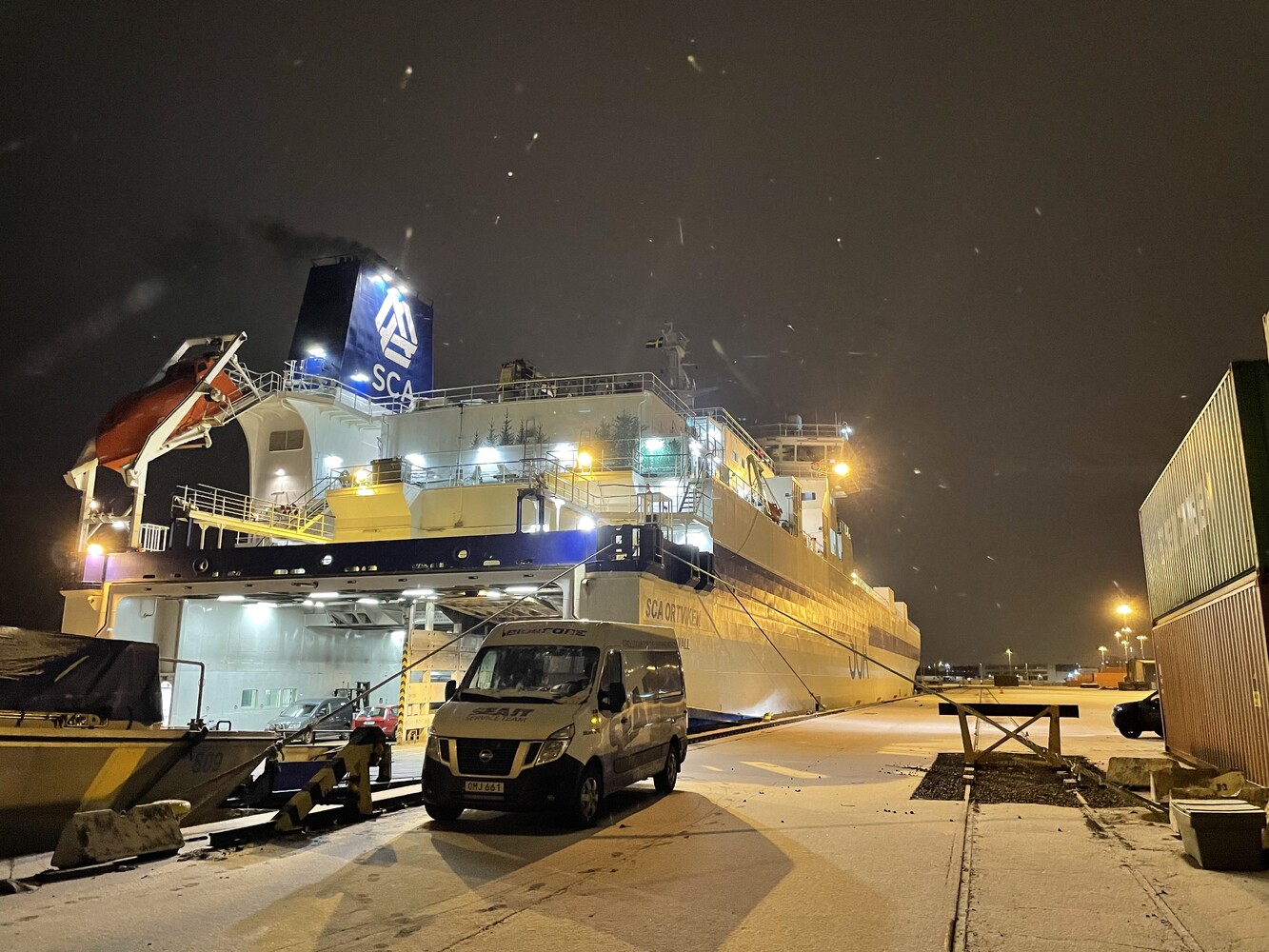
The Ship Is Connected. Why Is the Crew Still Retyping the Same Data?

Modern vessels have better connectivity, more onboard systems and access to more operational data than ever before. Yet much of that information still has to be copied manually between spreadsheets, emails and separate platforms.
The vessel is connected. The workflow is not.
A vessel approaches its next port with a stable connection and all required information already available somewhere onboard. Still, an officer must re-enter crew details, certificate numbers and voyage data into several different systems.
The technology works, but the information does not move freely between the people and platforms that need it. This repetitive work increases the risk of outdated records, inconsistent information and simple human errors.

Digital forms can still mean manual work
At its 50th session in March 2026, the IMO Facilitation Committee approved the new IMO Strategy on Maritime Digitalization. It focuses on interoperability, standardized data, secure information sharing and reducing the administrative burden on seafarers.
The need is clear. An industry survey presented to IMO found that 64% of port calls still required paper submissions or a mixture of paper and digital processes. Respondents spent an average of 191 minutes preparing and submitting documentation for each port call.
Replacing a paper form with a digital form does not create an efficient process if the same information still has to be entered repeatedly.
Interoperability is the next step
Adding more systems will not solve the problem if every platform keeps its own version of the same information. In many cases, the crew becomes the manual integration between disconnected systems, transferring data and checking which version is correct.
True interoperability means that information entered in one system can be trusted and reused by another. This requires standardized data, clear ownership and stable vessel infrastructure. For shipowners, the result is less administration, fewer inconsistencies and a clearer shared picture between vessel and shore.
The solution
Enter information once
Use one clearly defined source and reuse the data where appropriate.
Make systems work together
Standardized and secure integrations should move information automatically.
Measure the time saved onboard
Success means less administration and more reliable information.
A truly connected vessel is not defined by how many systems it has, but by how easily useful information moves between them.
Connectivity brought the vessel online. Interoperability must now make it work as one.
Get the insights
Keep reading latest Maritime Pulse
The maintenance visit leaves more than a service report
Reliability over initial cost