The maintenance visit leaves more than a service report
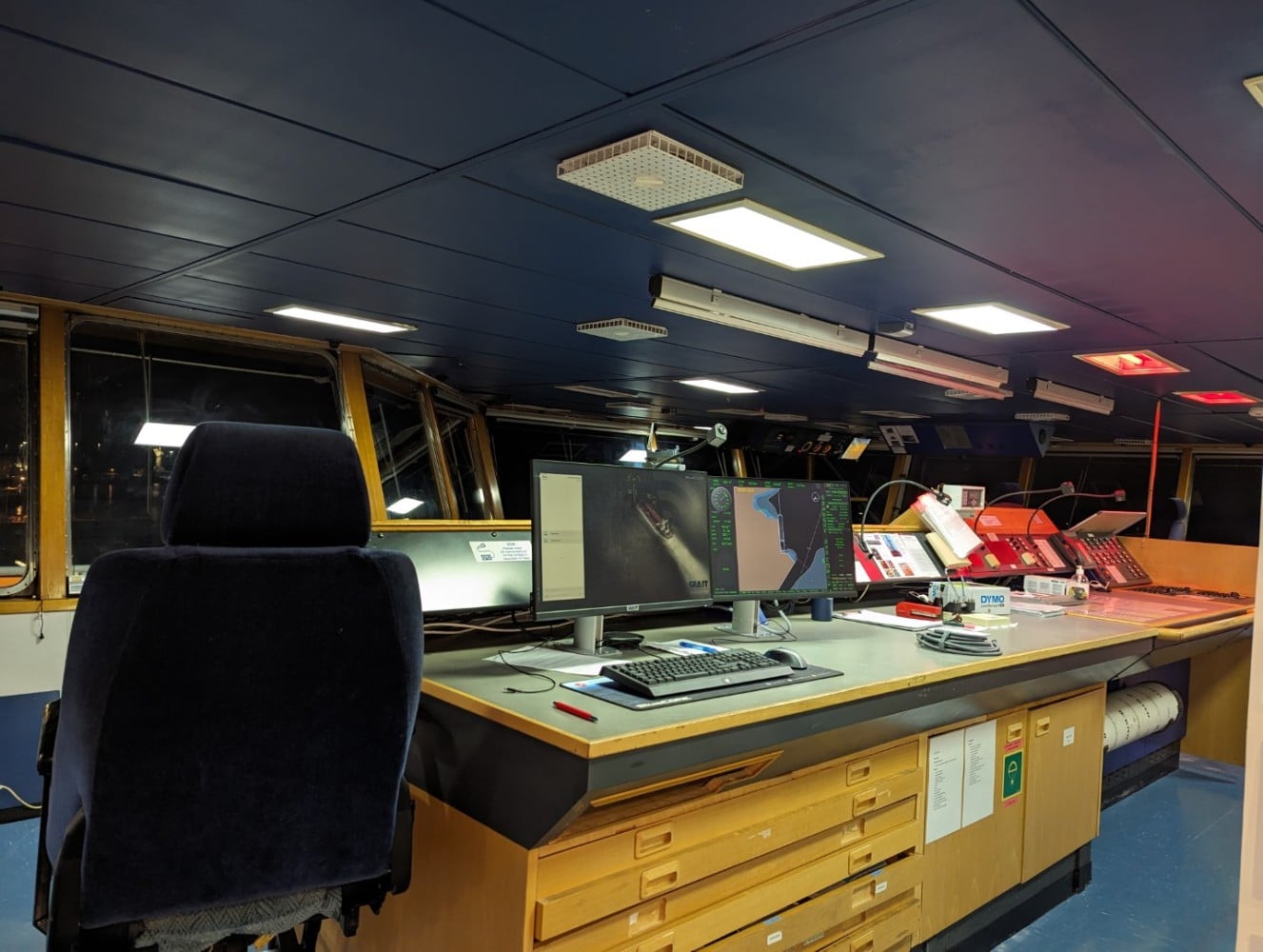
The service engineer has left your vessel, the equipment is running again and the report is signed. But has anyone checked whether a temporary account, remote connection or network change remains in place?
In guidance published on 29 October, Britannia P&I and BMT highlight how routine activities, including maintenance laptops and supplier access, can introduce cyber risk into vessel environments.
Their message is relevant to everyday operations: understanding how systems connect is part of keeping them safe.
A successful repair restores the equipment. Completing the work also means understanding what changed around it.

What remains after the work is done?
During troubleshooting, a supplier may need temporary access, a software update or an adjustment to how equipment communicates. These changes can be necessary, particularly when time in port is limited.
The challenge comes afterwards. An account may remain active, a firewall rule may no longer serve a purpose or the equipment documentation may still describe the previous configuration.
Each individual change can seem minor, while gradually making the vessel environment harder to understand and support.
Your crew and shore team need a clear handover covering what changed, what access remains necessary and who is responsible for maintaining it. Otherwise, the next technician starts with an incomplete picture.
Make the handover part of the job
At Sea IT, we have worked with secure integration of vessel IT and OT systems for years. This is one reason we place significant emphasis on the environment surrounding each piece of equipment, including its connections, dependencies and support arrangements.
A standardised onboard foundation such as BlueCORE supports a consistent approach to vessel infrastructure. Keeping that environment manageable also requires coordination between the shipowner, service provider and equipment supplier whenever changes are made.
Before closing a maintenance task, review temporary access, record relevant changes and confirm that the required services still work.
Where continued supplier access is necessary, it should have a defined purpose, an owner and appropriate controls. That handover helps the next person support the vessel safely, whether they are onboard or working remotely.

The solution
Review
Check temporary accounts and connections, removing access that is no longer needed.
Record
Update the relevant configuration records and maintenance responsibilities.
Confirm
Verify that required services work and any continued access is controlled.
The service report tells you what was repaired. A complete handover should also tell you what has changed.
Get the insights
Keep reading latest Maritime Pulse
The maintenance visit leaves more than a service report

Reliability over initial cost