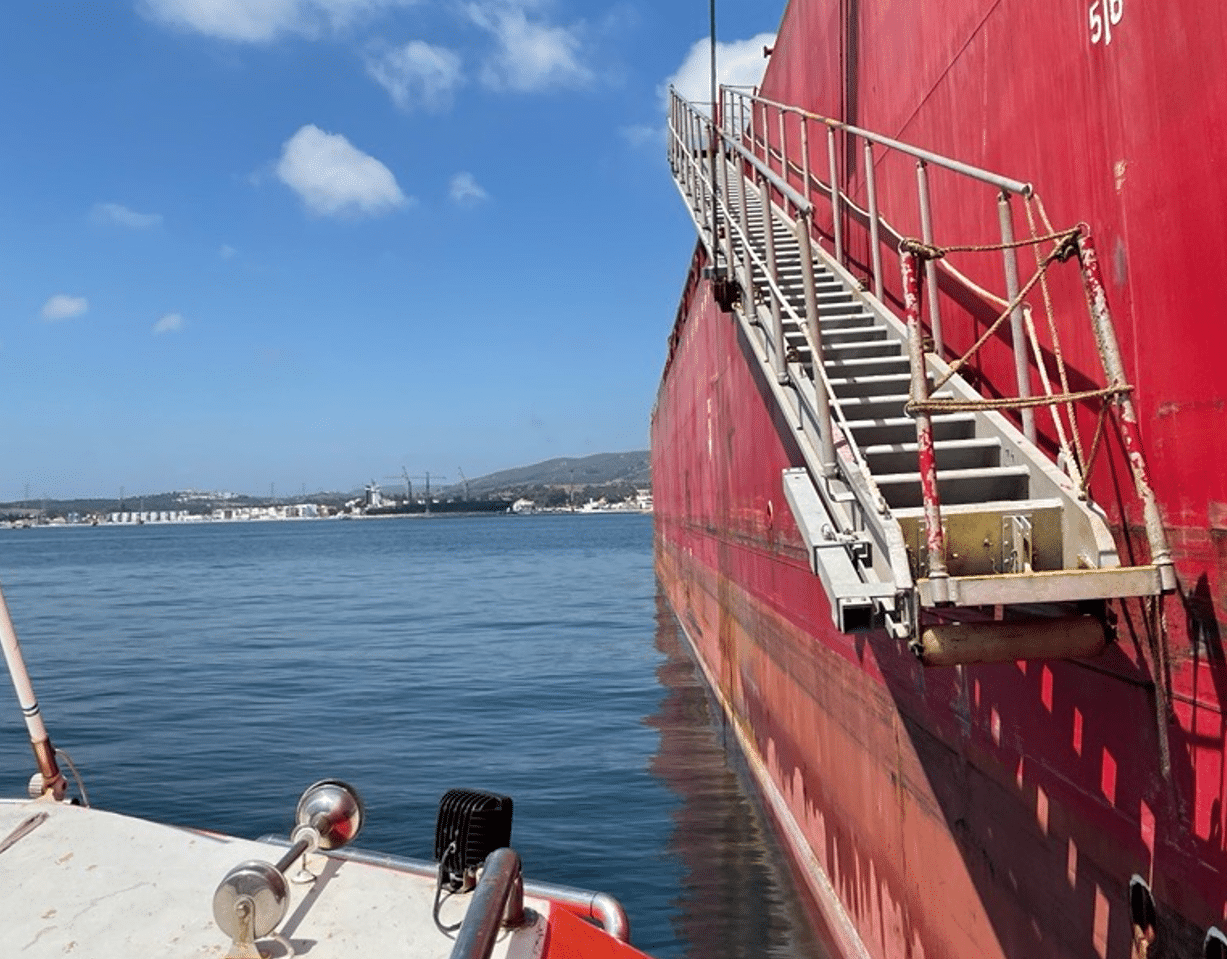
You would probably never install a modern alarm system at home and then leave the garage door unlocked. Still, that is how security is sometimes approached when vessels and shore environments are treated as completely separate worlds.
The reality is that your vessel no longer operates in isolation. Office users, cloud platforms, suppliers, remote connections, and third-party services all form part of the same digital chain.
That means the risk surface does not stop at the gangway. It follows every connection back to shore.

A vessel might have a structured onboard environment, but that does not remove the need to think about what it connects to. An account used on land, an external supplier, or a poorly controlled integration can still affect the wider operation.
This is not only a cyber issue. It is an operational issue.
If you depend on shore-based services for reporting, support, communication, or access to information, then the resilience of those services directly affects how smoothly your vessels can operate.

This is why the full environment needs to be understood rather than treating every system as an isolated component. Onboard infrastructure, office environments, remote access, cloud services, suppliers, and user behavior all belong to the same operational picture.
The goal is not to make everything more complicated. The goal is to remove blind spots.
When the full chain is visible, documented, and monitored properly, you can react faster and reduce the risk of small weaknesses growing into larger operational problems.
Your vessel is only as isolated as the systems you connect it to. Security starts onboard, but it does not end there.