It is easy to talk about integrations as something purely positive. Connect one system to another, move data between platforms, enable new functionality, and suddenly everything sounds more efficient. And in many cases, it is.
But every integration also creates responsibility.
Because the moment you connect systems, you are not only creating a technical link. You are creating a dependency. You need to understand what data is moving, who has access, how it is secured, how it is monitored, and who is responsible when something changes or stops working.
That is where many environments become more complex than expected.
You know the feeling when something works perfectly until one small thing changes. A vendor updates a system, a certificate expires, an API changes, or a network route is adjusted. Suddenly, something that used to “just work” becomes a support case.
The integration was not necessarily bad. The problem is often that the responsibility around it was never clearly defined.
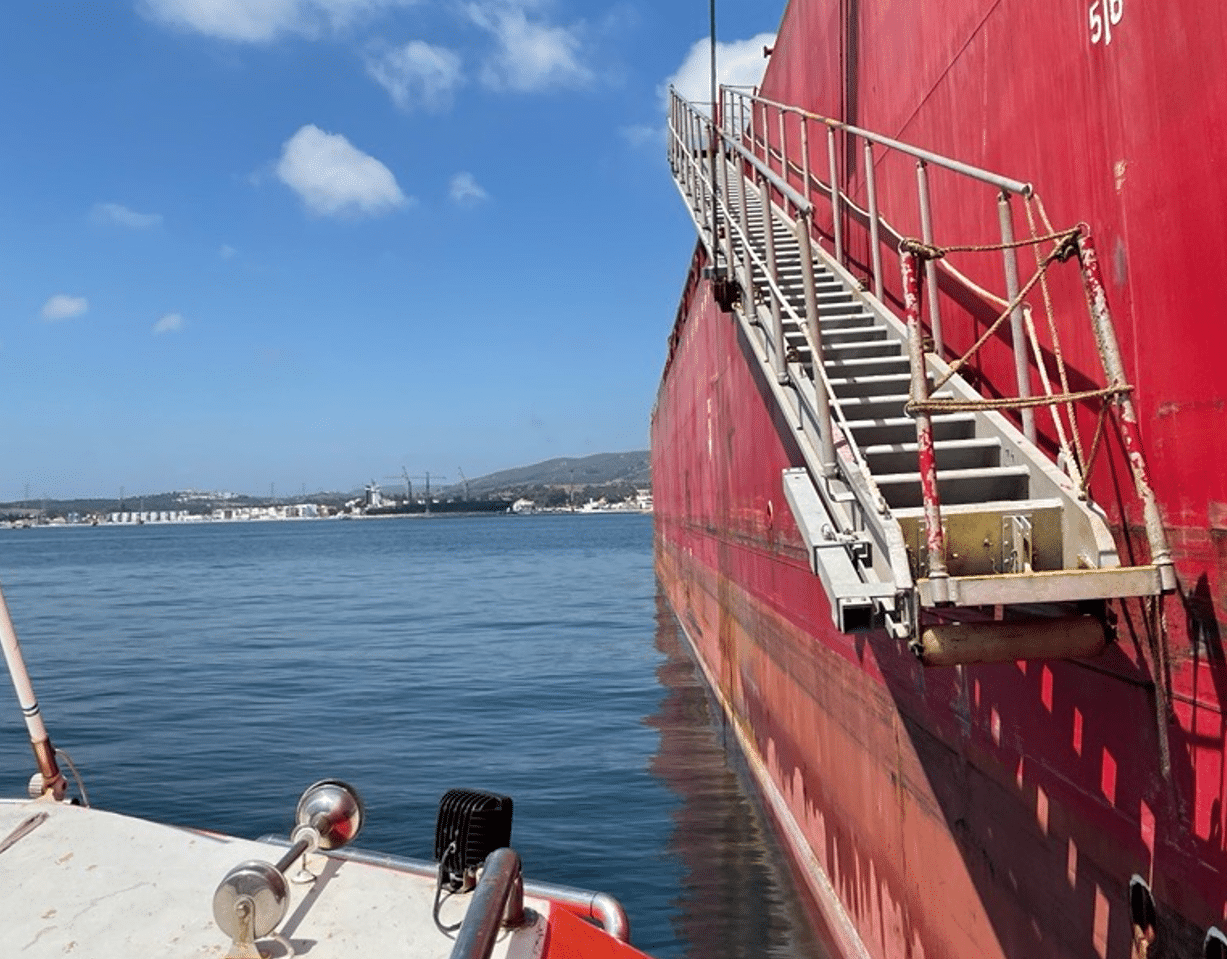
In maritime environments, this matters even more. Systems onboard are rarely isolated anymore. Connectivity, OT systems, applications, reporting tools, sensors, and shore-based platforms increasingly depend on each other. That creates value, but it also means that every connection needs to be understood, documented, and supported over time.
If nobody owns the integration, nobody really owns the risk.

This is why we do not treat integrations as quick technical fixes.
Before something is connected, we want to understand the purpose, the impact, and the long-term responsibility. What should the integration enable? What systems are involved? How should it be monitored? What happens if something changes? Who needs to support it six months from now?
That may sound like extra work, but it is what makes integrations stable, secure, and supportable.
Because the goal is not only to make systems talk to each other. The goal is to make sure they keep doing it in a way you can rely on.
That is also why structured environments, clear ownership, and controlled change processes matter so much. They are what turn integrations from fragile connections into operational capabilities.

Integrations can create huge value when they are done right. They can reduce manual work, improve visibility, and make data available where it actually matters.
But they should never be treated as “just a connection”.
Because once you connect it, you own part of what happens next.