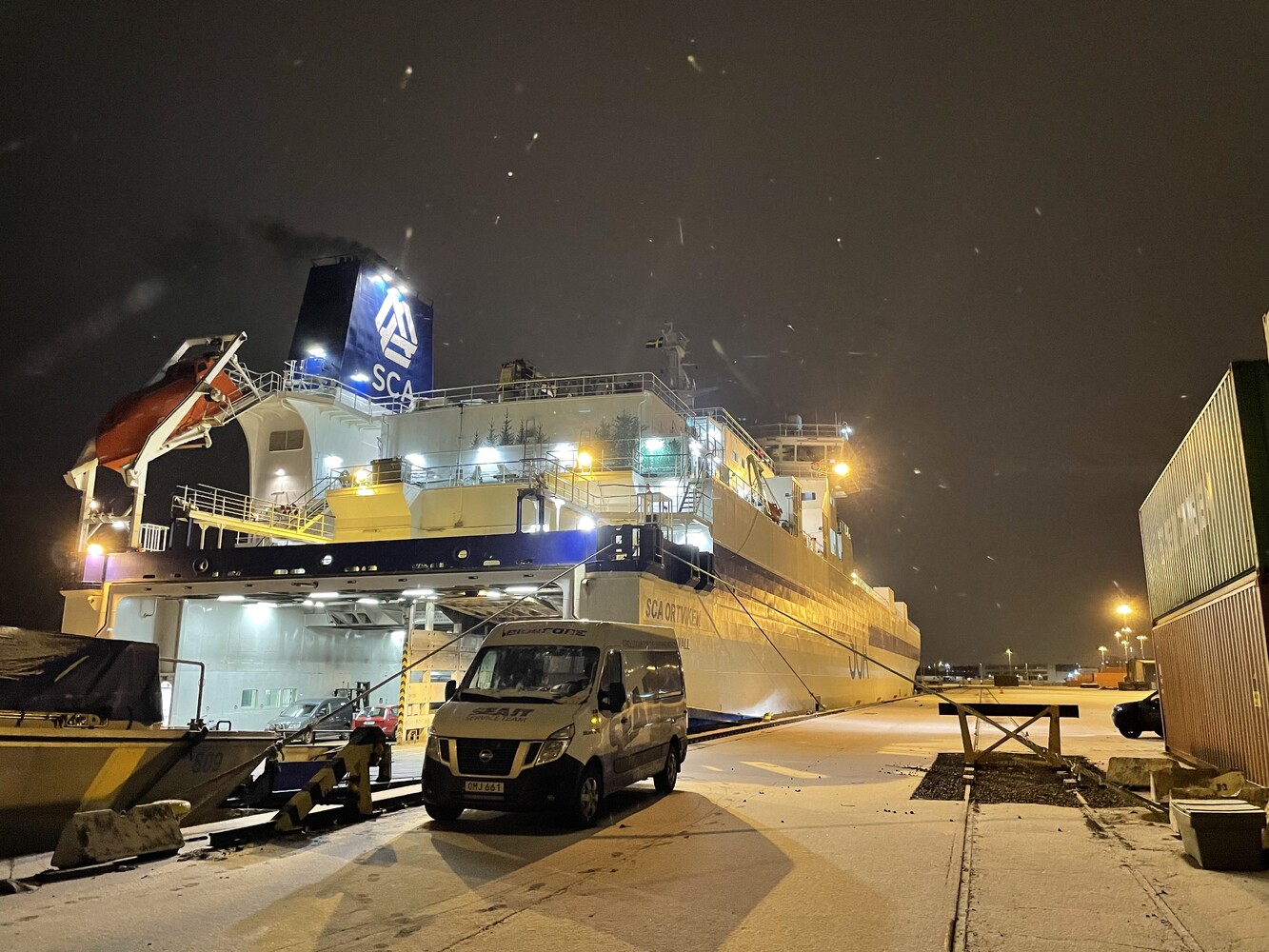
Could your team explain what is affected

Could your team explain what is affected?
A supplier sends you a security advisory. It names a product, lists affected versions and recommends an update. Your next question sounds simple: which of our vessels does this affect?
Finding the answer may involve several people, an old equipment list and a few calls to suppliers. Meanwhile, your crew needs to know whether operations can continue and what action to take.
ENISA’s updated reporting guidance, dated 15 October, illustrates how specific incident information needs to be. Its Cyber Resilience Act reporting glossary covers product versions, mitigation measures and practical instructions for users.
The guidance concerns manufacturers within scope, but the operational lesson is relevant across the fleet: a useful response depends on knowing what is installed and how it is used.

A product name is only the beginning
Two vessels may use the same equipment but have different software versions, configurations and connections. An advisory may therefore require different actions on each vessel.
Knowing that a product is onboard is a starting point. Your team also needs to understand what it supports, who maintains it and what could happen if it is updated or disconnected.
A workaround that looks straightforward in a supplier notice may interrupt remote support or another operational service. That impact needs to be understood before instructions reach the crew.
Clear answers start before the incident
At Sea IT, this is one reason we place significant emphasis on understanding the complete vessel environment. Years of working with onboard IT and OT have shown us how easily responsibility becomes divided between the shipowner, equipment suppliers and service providers.
A standardised foundation such as BlueCORE supports a more consistent approach to managing vessel IT. Alongside that foundation, current equipment records and clear responsibilities help teams connect an advisory to the vessels and services that may actually be affected.
The customer needs an answer they can use: what is affected, what remains uncertain, what action is appropriate and who will coordinate it.
Building that picture should begin long before an urgent notice arrives.

The solution
Identify
Keep product versions, configurations and maintenance responsibilities current across the fleet.
Assess
Understand exposure and operational impact before applying updates or workarounds.
Explain
Give vessel and shore teams clear instructions, including what remains uncertain.
The next advisory may arrive without warning. Knowing your own environment is the preparation that makes a clear answer possible.
Get the insights
Keep reading latest Maritime Pulse
The maintenance visit leaves more than a service report
Reliability over initial cost